


By Sesan Nofiu
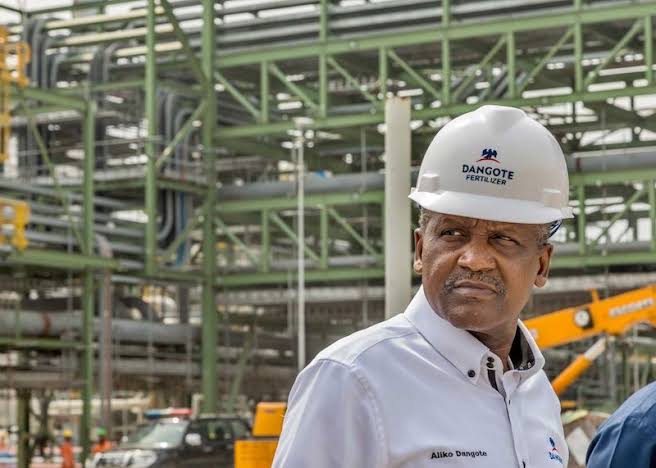
The recent appeal by Dangote to ban fuel imports, as reported in The Punch Newspaper on Monday, July 28, 2025, titled “Fuel war brews as Dangote Presses Tinubu to ban imports,” has sparked concerns about the potential consequences for Nigerian consumers. Given the company’s history of monopolistic tendencies in various sectors, including cement, sugar, and iron rods, it’s reasonable to question whether Dangote’s dominance in fuel production would benefit the nation. As a political scientist and public administrator who teaches political economy, I am of the opinion that it is necessary to make a submission on this matter.
A Pattern of Anti-Competitive Behavior
Dangote’s business practices have consistently demonstrated a strategy of eliminating competition and establishing monopolies. This has resulted in higher prices and limited choices for consumers. The cement industry, for instance, has seen Dangote dominate the market, leading to increased prices and reduced competition.
The State of Nigeria’s Refineries
The existing refineries in Nigeria are moribund, and Dangote’s push for a ban on fuel imports would effectively grant his company a monopoly on fuel production. This would give Dangote immense control over the market, allowing him to dictate prices and supply. With Nigeria’s refineries in disrepair, it is crucial to maintain the option of importing fuel to ensure a stable supply and competitive pricing.
The Need for Competition
Competition is essential for promoting innovation, reducing prices, and improving services. By allowing multiple players in the fuel production market, Nigeria can foster a more competitive and dynamic industry. This would benefit consumers and contribute to the nation’s economic growth.
Conclusion
In light of Dangote’s history of monopolistic practices and the current state of Nigeria’s refineries, it is reasonable to oppose the company’s bid for a monopoly on fuel production. The government should prioritize the interests of Nigerian consumers and promote competition in the industry. By doing so, Nigeria can ensure a more stable and prosperous economic future.
Sesan Nofiu (PhD). Contact via
o.nofiu@yahoo.com


Discussion