


By Bankole Asaye, Akure
The Nigeria Community Action for Resilience and Economic Stimulus (NG-CARES) has expressed satisfaction over the results from the evaluation of the vulnerable in Ondo state through agricultural practice.
The program, a World Bank-funded initiative, is designed to mitigate the impact of COVID-19 and other crises on vulnerable households and micro enterprises.
Result Area 2 focuses on increasing food security and safe functioning of food supply chains for poor households across the states in Nigeria.
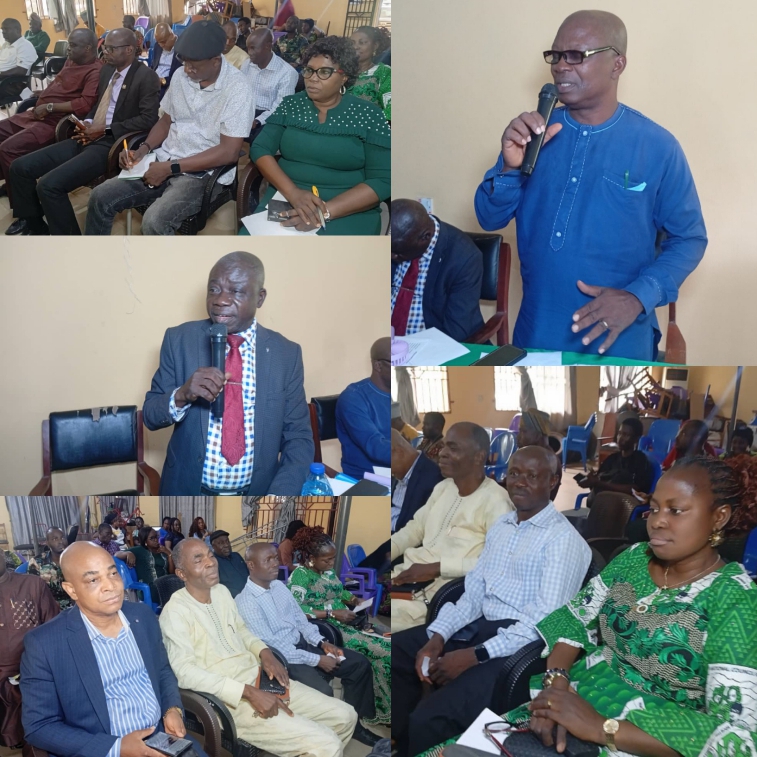
The Ondo State NG care which is sub-named OD cares in Ondo State organized a laudable programme on Tuesday at the FADAMA Hall in Akure the State Capital to evaluate the N care phase 1 which will hopefully metamorphose into N care Phase 2 by January.
Mr Olusiji Olatunji the State Project Coordinator, while addressing the consultants and other stakeholders during the official unveiling of the impact studies of the results area 2 of the NG Cares, stated that the studies were given to experts of various agricultural fields to evaluate the impacts of the project on the beneficiaries who are mostly small scale farmers and vulnerable.
They were drawn from all the rural parts of the 18 local government areas of Ondo State.
The results and findings are expected to be screened and verified in order to make the next phase of the project a viable and more effective one, that would improve the livelihood and status of poor households in Ondo state.
The consultants who were drawn from different fields of Agriculture ranging from Cassava, Tomatoes, Livestock Farming, during the report, presented their findings, results and recommendations to officials of OD Cares.
One of the consultants, Niran Thompson who did his own research on Cassava Planting, noted that Cassava and other farm inputs like pesticides were distributed to the beneficiaries, adding that all of them were duly trained on the use of the farm inputs and latest method of planting of crops, to increase farm productivity and profitability, which would ensure food security.
In the same vein, Professor Akinnagbe Oluwole Matthew who based his findings and evaluation on Tomatoes Planting, confirmed that the best seedlings were given to the small scale farmers in some local government areas in Ondo state. They were also trained on the best planting practice with quality farm inputs to boost production of Tomatoes.
He said the income generated from the Tomatoes planting increased by 85 percent and that farmers are using the income generated to re-invest in Tomato planting.
He added that most of the small scale farmers are now financially independent and out of debt unlike before the intervention of the OD CARES.
Other consultants also presented their findings in other areas like livestock-farming – fishery, poultry, etc.
According to them, the project has improved the farm yields of farmers especially poor farmers in the 18 local government areas of Ondo State and has brought them out of poverty while widening their knowledge on the best farm practices through the training.
During the period under review, the OD Cares also rehabilitated roads in Ondo State, making the transportation of crops easier for small scale farmers in the rural areas. This the consultants said has drastically reduced food wastage in Ondo State
Some of the recommendations on their findings are; the need for more training and re-training of small scale farmers; access to more roads; access to the internet – where they can easily access quality information on best practices of farming, globally; monitoring of the farm inputs given to them, while ensuring they are implemented as they were trained.
In an interview with Precision Online Newspaper, the Programme Manager of Agricultural Development Project (ADP) in Ondo State, Mr Ogunleye Babajide said all the findings of the consultants would be reviewed and where there are deficiencies, it would be corrected.
It is to be noted that OD CARES are primarily focused on poor households in Ondo State, ensuring they have better life by empowering them mentally and getting them out of poverty in all 18 local government areas of Ondo State, through quality agricultural practices and adequate and timely training of best farm practices.



Discussion